
Meaningful CSR team building gives people an opportunity to create something useful together.
Participants can see the connection between their effort and a real community need. They understand who will benefit, why the work matters and how their combined contribution can make a difference.
That clarity changes the experience. A team activity becomes a shared act of service, supported by collaboration, responsibility and reflection.
Start with the contribution
A strong CSR experience begins with a clear question: what useful contribution will the team make?
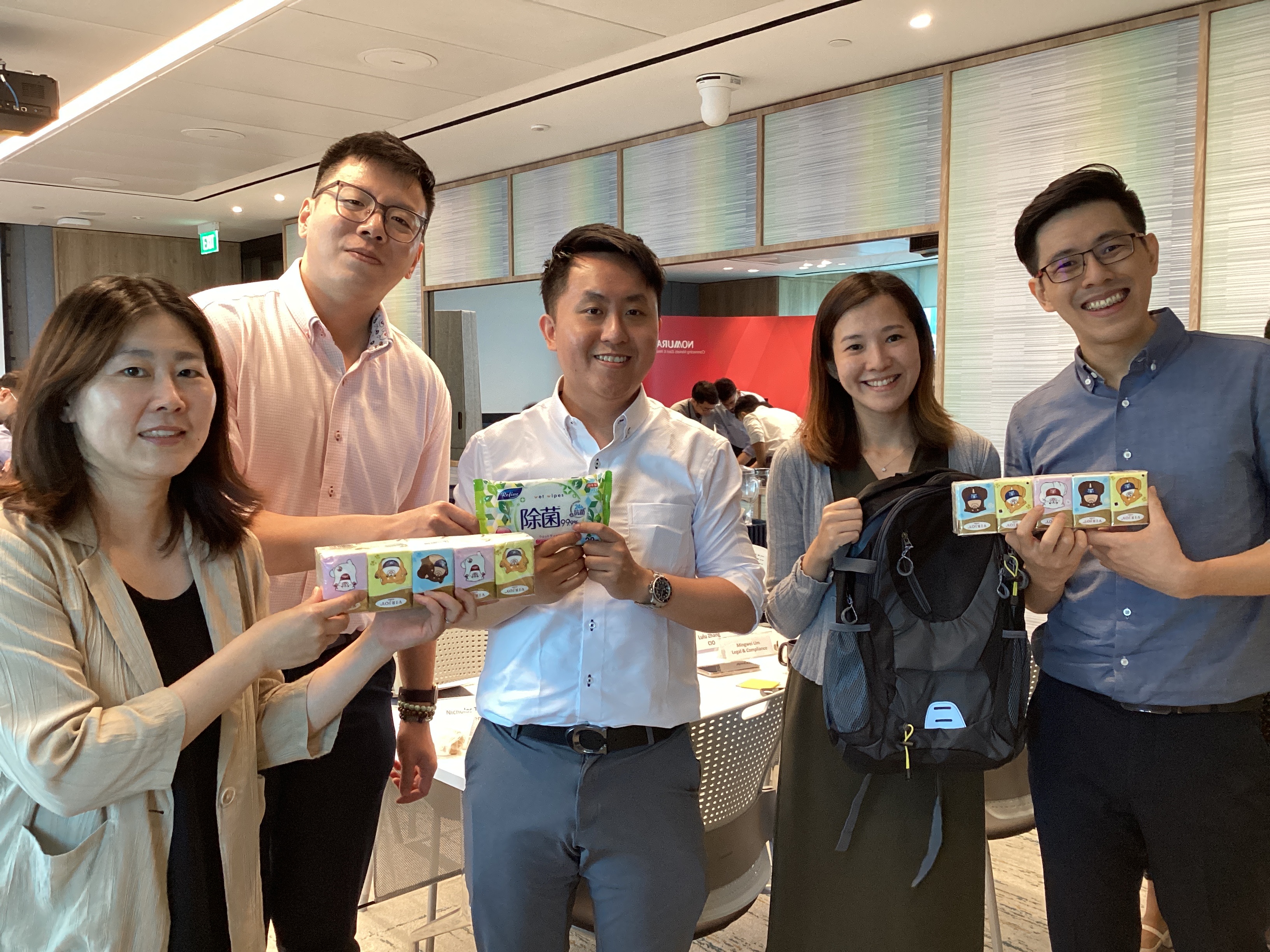
The answer might be a wheelchair that supports someone’s mobility, a bicycle for a child, a prosthetic hand or a backpack filled with practical supplies.
The contribution gives the experience direction. Participants understand that the quality of their work affects someone beyond their immediate team.
This encourages them to approach the task with greater care. Planning, quality checks and communication become part of delivering something another person can use.
Organisations should be able to explain:
Who the intended beneficiary is
What the team will create or support
How the completed items will be distributed
Which charity or community partner is involved
What approvals are needed before beneficiaries are named or photographed
Transparency helps participants trust the experience and understand its purpose.
Make the beneficiary clear
People connect more strongly with giving when they understand the human need behind the activity.
A charity or community partner can explain the context, describe how the contribution will be used and help participants see why it matters. This connection can be made through an approved speaker, video, written story or facilitated briefing.
The beneficiary should remain at the centre of the communication. Their needs, dignity and consent matter more than creating a promotional moment.
Organisations should confirm how names, images and stories may be used before the event. Participants should also understand any restrictions around photography, social media and contact with beneficiaries.
These safeguards help the experience remain respectful while giving the team a clear connection to the impact.
Create a task that needs the team
The activity should require genuine participation.
A meaningful shared task creates roles for planning, assembly, organisation, quality control, problem-solving and communication. Different participants can contribute in different ways while remaining connected to the same result.
This is where giving back can also strengthen the team.
Participants need to:
Interpret instructions accurately
Divide responsibilities
Manage time and resources
Share information
Check the quality of the completed work
Support colleagues when the task becomes challenging
The social contribution remains the purpose. Team development emerges through the way people work together to deliver it.
In Wheelchair Challenge, participants assemble functional wheelchairs for donation. Teams complete challenges to earn required materials, organise the build and test their completed wheelchair.
The quality of the final product matters because it will be used by another person. That responsibility gives collaboration a clear purpose.
Give everyone a meaningful role
A CSR experience should make participation possible across the group.
Some people may be comfortable working directly with equipment. Others may be stronger at organising materials, tracking progress, interpreting instructions or checking details.
The experience should allow these contributions to support one another. One highly confident participant should not be able to complete the central task while everyone else watches.
Facilitators can help by:
Creating several useful responsibilities
Rotating roles during the activity
Checking that information reaches the whole group
Encouraging teams to ask for different perspectives
Inviting participants to identify where support is needed
This approach connects the social outcome with inclusion. It allows participants to recognise how varied strengths can contribute to the same purpose.
Allow time for reflection
The contribution itself is only one part of the experience.
Reflection helps participants understand what the activity revealed about their team and their organisation’s values.
Facilitators might ask:
What changed when we understood who would use the final product?
Which decisions affected the quality of our contribution?
How did we respond when resources or time were limited?
Whose contribution helped the team make progress?
What does responsible giving require from an organisation?
How can we continue supporting the value behind this experience?
These questions give participants time to process the practical and emotional parts of the activity.
The discussion can also identify actions beyond the event. Teams might choose to continue volunteering, support a community partner or consider how their everyday work affects customers and communities.
Connect the experience with organisational values
CSR activities are most credible when they support values the organisation already intends to practise.
If a company highlights care, responsibility, inclusion or community, the experience should show what that value requires in action.
The connection should be specific. Rather than asking participants to repeat a value statement, facilitators can help them examine how the team demonstrated it.
For example:
Care might appear through attention to quality.
Responsibility might appear through completing a useful product safely.
Inclusion might appear through the way roles were shared.
Community might appear through partnership with a local organisation.
Integrity might appear through respectful communication about beneficiaries.
This helps organisational values feel practical and observable.
Measure what the experience produced
The most immediate measure of a CSR activity is its community contribution.
That might include:
The number of completed items donated
The cause or community supported
The charity partner involved
The practical use of the contribution
Additional giving generated through a platform such as B1G1
Team Building Asia’s website currently reports more than 626,000 B1G1 impacts, alongside purpose-driven experiences that connect team participation with real-world giving.
Organisations can also collect participant feedback. Useful questions include whether people understood the beneficiary, felt able to contribute and saw a connection between the experience and the organisation’s values.
Claims about longer-term behaviour should be based on follow-up evidence. Immediate feedback can show what participants experienced, while later conversations can explore what the team continued to apply.
Choose the experience with care
An appropriate CSR activity should match the community need, the participants and the practical conditions of the event.
Consider:
The cause your organisation wants to support
Whether a local or global contribution is most relevant
The number of participants
The time and venue available
Accessibility and language requirements
The amount of assembly or physical activity involved
How donations will be checked and distributed
What type of reflection will follow
The CSR & Giving Back experiences from Team Building Asia include different formats for organisations that want to combine team development with meaningful contribution.
These experiences can also be incorporated into a broader Learning & Development solution, with facilitation and reflection shaped around the organisation’s objectives.
Create something that matters
The strongest CSR team experiences give people a clear reason to work together.
There is a real beneficiary. The task has practical value. Everyone has an opportunity to contribute. The team then has time to reflect on what the experience means.
Giving back becomes something participants can understand, feel and remember.
To explore a CSR experience designed around your team and community objectives, start with a discovery call.
Frequently asked questions
What is CSR team building?
CSR team building combines collaborative team activities with a contribution to a charity, community or social cause. Participants work towards an outcome that benefits people beyond their organisation.
What makes a CSR activity authentic?
Authentic CSR activities have a clear beneficiary, a useful contribution, transparent partnerships and respectful communication. Participants should understand how their work will create value.
How does giving back support team development?
A shared contribution gives teams a meaningful reason to plan, communicate, solve problems and take responsibility together. Reflection helps connect these behaviours with everyday work.
How should an organisation choose a CSR activity?
Begin with the intended community impact and team outcome. Then consider the beneficiary, charity partnership, participant needs, group size, venue, duration and donation process.